Starting a business requires more than a promising idea. Entrepreneurs must understand their customers, develop products, manage expenses, and build relationships that support long-term growth. For someone launching a company for the first time, handling these responsibilities without guidance can be difficult. This is where business incubators can help.
A business incubator supports entrepreneurs and early-stage companies by offering resources such as mentorship, shared workspaces, technical assistance, training, and access to professional networks. These programs help founders develop their ideas, test business models, and prepare for independent operations. Some incubators support businesses across different industries, while others specialize in technology, healthcare, manufacturing, or social entrepreneurship.
Understanding the different incubation models, their benefits, and their limitations can help you decide whether joining one is the right step for your startup.
What Is a Business Incubator?
A business incubator is an organization or structured program that helps new and developing businesses become commercially viable by providing guidance, resources, facilities, and professional support.
Think of an incubator as a supportive environment where entrepreneurs can develop their businesses before taking on the full challenges of operating independently. Instead of immediately paying for offices, hiring specialist advisers, and building a professional network from scratch, founders may access some of these resources through an incubation program.
Common services include:
- Business mentorship: Guidance from experienced entrepreneurs and industry specialists.
- Shared facilities: Access to offices, meeting rooms, laboratories, or equipment.
- Business training: Workshops covering finance, marketing, management, and operations.
- Funding connections: Introductions to investors, grant providers, or financing organizations.
- Networking: Opportunities to connect with other founders, customers, and potential partners.
- Product development: Assistance with validating, testing, and improving products or services.
For example, imagine Alex, a software developer who wants to create an AI-powered customer service platform. Alex understands the technology but has limited experience with market research, sales, and fundraising. Joining a suitable incubator could provide the business guidance and industry connections needed to evaluate the idea and develop an initial product. The incubator would not run the company for Alex. Instead, it would provide support while Alex makes decisions and builds the business.
Technology Business Incubator Meaning: What Makes It Different?
A Technology Business Incubator (TBI) is a specialized incubation organization that helps entrepreneurs develop and commercialize technology-based products, services, or innovations. While general business incubators may support businesses in almost any industry, technology incubators concentrate on startups where technical innovation plays a central role. These programs often collaborate with universities, research institutions, corporations, government agencies, and private investors.
What Does a Technology Incubator Support?
Technology incubators may assist businesses working in areas such as:
| Technology field | Example startup |
|---|---|
| Artificial intelligence | AI-powered customer support software |
| Financial technology | Digital payment or financial management platform |
| Biotechnology | New diagnostic technology |
| Clean energy | Renewable energy monitoring systems |
| Robotics | Automated industrial equipment |
| Software development | Cloud-based business applications |
| Medical technology | Digital health monitoring devices |
| Agricultural technology | Smart irrigation and crop monitoring systems |
Beyond general business advice, some technology incubators provide specialized laboratories, prototyping equipment, engineering expertise, research facilities, or intellectual property guidance. For instance, a medical device startup might need assistance developing a prototype, understanding regulatory requirements, and connecting with clinical researchers. A conventional office-based incubator may not have these resources. A technology-focused program associated with a research institution could be a better fit.

The key distinction: Technology incubators support both the technical development and commercial growth of innovation-driven businesses.
How Do Business Incubators Work?
Business incubation usually involves several stages, although application requirements, support arrangements, and program durations vary.
Step 1: Application and Business Evaluation
Entrepreneurs apply to a program that matches their business idea, development stage, or industry. The application may require a description of the business concept, target customers, founding team, market opportunity, and anticipated challenges. Some incubators accept founders who have only an idea. Others require an existing product, initial customers, or evidence of market demand.
Step 2: Selection and Onboarding
Program managers evaluate applications to determine whether the startup fits their objectives and available resources. Selected entrepreneurs may participate in interviews, orientation sessions, and an initial business assessment. During onboarding, the incubator and founder can identify priorities such as customer research, product development, or financial planning.
Step 3: Mentorship and Business Development
This is the main support stage. Founders work on improving their business model, developing products, understanding customers, and building operational capabilities. Depending on the program, support may include regular meetings with mentors, technical workshops, or consultations with legal and financial specialists.
Step 4: Product Testing and Market Preparation
Entrepreneurs may develop a minimum viable product (MVP), collect customer feedback, test pricing, and refine their sales strategy. An MVP is an early version of a product with enough functionality to test important assumptions with potential users. For Alex’s customer service software, this might mean building a basic platform and testing whether small businesses would actually pay to use it. The goal is to learn from real customer needs before investing heavily in expansion.
Step 5: Graduation and Independent Growth
When a startup reaches the program’s completion criteria, it may graduate and continue operating independently. Graduation could involve reaching development milestones, completing a fixed program period, or demonstrating commercial readiness. Some incubators continue offering alumni networking, mentoring, or occasional business support after graduation.
Simple incubation journey:
Business idea → Program application → Mentorship and development → Market validation → Independent operation. Not every startup follows these stages in the same order, and some programs use structured cohorts rather than flexible timelines.
Types of Business Incubators
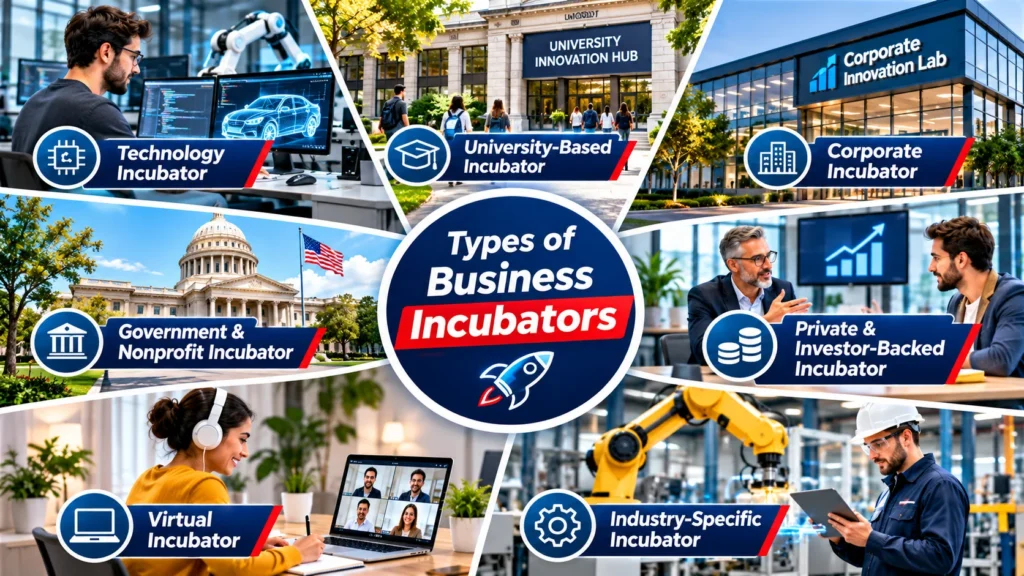
Business incubators can be categorized by their industry focus, operating model, ownership, or method of delivering support. The following are common types.
1. Technology Business Incubators
Technology incubators support startups developing innovative products and technical solutions. They may provide access to laboratories, research expertise, software tools, prototyping facilities, and commercialization advice.
Best suited for: Software developers, researchers, engineers, and founders creating technology-intensive products.
2. University-Based Incubators
University incubators are associated with educational or research institutions. They often help students, researchers, faculty members, and eligible external entrepreneurs turn innovative ideas into commercial ventures. Support can include mentorship, research facilities, business education, and access to academic expertise.
Best suited for: Student founders, research-based startups, and businesses commercializing academic innovations.
3. Corporate Business Incubators
Corporate incubators are operated or sponsored by established companies interested in supporting innovation. These programs may provide industry expertise, technical infrastructure, commercial partnerships, and access to existing business networks. Some focus on internal projects, while others support outside entrepreneurs.
Best suited for: Startups developing solutions relevant to a corporation’s industry or strategic interests.
4. Government and Nonprofit Incubators
Government agencies, economic development organizations, and nonprofit institutions may establish incubators to encourage entrepreneurship and local economic activity. These programs can focus on small businesses, underserved communities, emerging industries, or regional development. Support arrangements and funding models depend on the organization.
Best suited for: Early-stage companies seeking local business support and entrepreneurship development resources.
5. Private and Investor-Backed Incubators
Private incubators are operated by commercial organizations, investors, or investment groups. Some offer mentorship, business development services, and financing in exchange for fees or ownership stakes. Their selection criteria may emphasize scalability, commercial potential, and alignment with investment objectives.
Best suited for: Founders who want commercially oriented guidance and are prepared to evaluate potential investment or equity arrangements.
6. Virtual Business Incubators
Virtual incubators provide startup support remotely through online meetings, digital resources, mentoring sessions, and networking platforms. These programs allow entrepreneurs to access assistance without necessarily relocating to a shared office. However, virtual support may be less suitable for startups that need physical laboratories, manufacturing equipment, or specialized facilities.
Best suited for: Remote teams, software startups, and founders who cannot regularly attend an in-person program.
7. Industry-Specific Incubators
Some incubators specialize in a particular industry, including food production, biotechnology, healthcare, agriculture, or clean energy. A food business incubator, for example, may provide access to commercial kitchens and food safety guidance. An agricultural technology program might connect startups with agricultural specialists and testing facilities.
Best suited for: Entrepreneurs who need industry-specific expertise, equipment, or regulatory guidance.
These categories can overlap. A single organization might operate as a university-based, nonprofit, technology-focused, and virtual incubator.
What Are the Benefits of Business Incubators?
The value of incubation depends on the quality of the program and how closely its resources match a startup’s needs. Here are some of the main potential advantages.
1. Access to Experienced Business Mentors
Many first-time founders have technical or creative skills but limited experience managing a business. Incubators can connect them with professionals who understand market research, pricing, product development, financial planning, and business operations. Mentorship can help entrepreneurs identify weaknesses in their assumptions and make more informed decisions.
2. Reduced Startup Operating Costs
Early-stage businesses often have limited financial resources. Shared offices, equipment, meeting rooms, and professional services may reduce the cost of obtaining essential business infrastructure. However, founders should compare the value of these benefits against any rent, participation fees, or equity requirements.
3. Improved Access to Professional Networks
Developing relationships with potential investors, suppliers, customers, and business partners can be challenging for new entrepreneurs. An established incubator may provide introductions, networking events, and access to entrepreneurial communities. These connections can create opportunities that would otherwise take longer to develop.
4. Support for Product Development
Technology startups may need technical expertise and facilities that are expensive or difficult to obtain independently. Specialized incubators can help founders access relevant equipment, research guidance, and product testing resources. This is particularly valuable for businesses developing physical products or research-intensive technologies.
5. Better Business Planning and Market Validation
A promising product does not automatically represent a viable business opportunity. Incubation programs can encourage entrepreneurs to test customer demand, understand competitors, evaluate pricing, and assess business costs. This process may reveal problems early enough for founders to revise their strategy before committing substantial resources.
6. Connections to Funding Opportunities
Some incubators introduce startups to angel investors, venture capital firms, banks, or grant providers. Others may offer direct financial support under specific conditions. However, joining an incubator does not guarantee investment, approval for a grant, or business profitability.
7. Opportunities for Collaboration
Working alongside other entrepreneurs can create opportunities to exchange knowledge, share experiences, and form partnerships. A software startup might collaborate with a marketing specialist, while a hardware company could benefit from relationships with engineers or manufacturers. A supportive entrepreneurial community can also make the challenges of building a company easier to navigate.

Disadvantages and Limitations of Business Incubators
Although incubation can be valuable, it is not the right solution for every entrepreneur.
Competitive admission: Some programs receive more applications than they can accept. A suitable business idea does not guarantee admission.
Fees or equity requirements: Depending on the program, entrepreneurs may need to pay membership charges, office rent, service fees, or provide an ownership stake.
Time commitments: Workshops, mentoring sessions, progress reviews, and mandatory events may reduce the time available.
Limited industry relevance: A general incubator may not have the specialized knowledge necessary for a particular business.
Location restrictions: Some programs require founders to live nearby or attend activities in person.
No guaranteed results: An incubator can offer assistance, but market demand, product quality, managements.
The most important consideration is whether the support provided is worth the cost and commitments involved.
Business Incubator vs. Startup Accelerator
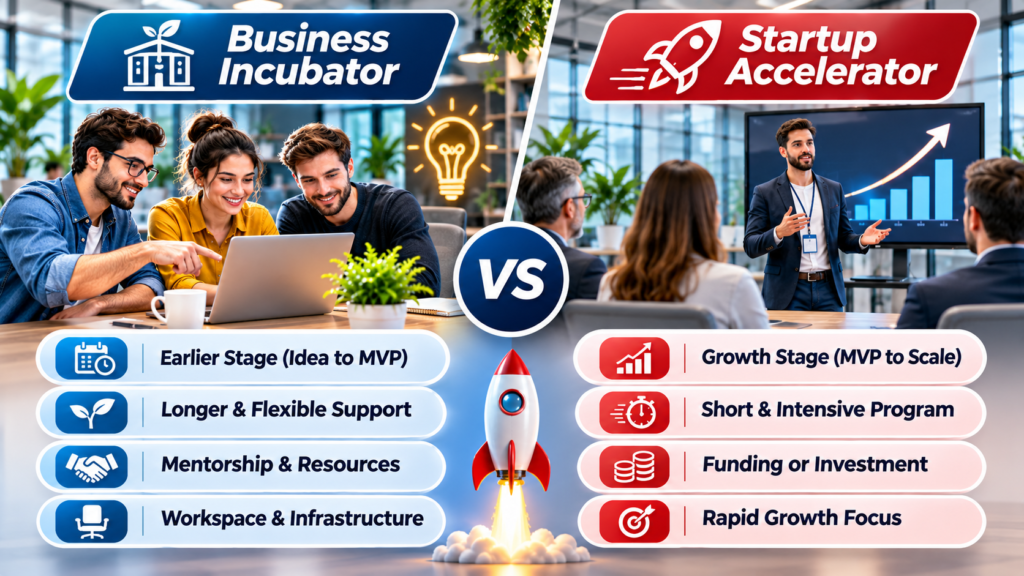
Business incubators and startup accelerators both support entrepreneurs, but they commonly serve different purposes.
An incubator generally emphasizes business formation, validation, and development. An accelerator commonly provides an intensive, time-limited program designed to help startups achieve specific growth or fundraising milestones.
| Feature | Business incubator | Startup accelerator |
|---|---|---|
| Primary focus | Developing and establishing a business | Accelerating growth and commercial progress |
| Typical business stage | Idea-stage or early development | Often startups with a product or initial traction |
| Program duration | Frequently flexible or longer-term | Frequently fixed-term and intensive |
| Mentorship | Ongoing business and technical guidance | Structured, intensive mentoring |
| Investment | Not always included | May include investment |
| Equity | Depends on the program | Often part of investment arrangements |
| Workspace | Sometimes available | Depends on the accelerator |
| Main objective | Build a viable, independent company | Reach defined growth or investment milestones |
These differences are useful guidelines, not strict rules. Some incubators operate cohorts, support revenue-generating businesses, or invest in their participants. Some accelerators also accept very early-stage founders.
Which should you choose?
An incubator may be appropriate if you are still validating your idea, creating an initial product, or learning how to operate a business. An accelerator may be more suitable if you have an established product, evidence of customer demand, and a specific growth challenge.
The actual program requirements matter more than its label.
Real-World Examples of Business Incubators
Examining existing organizations helps explain how incubation works in practice.
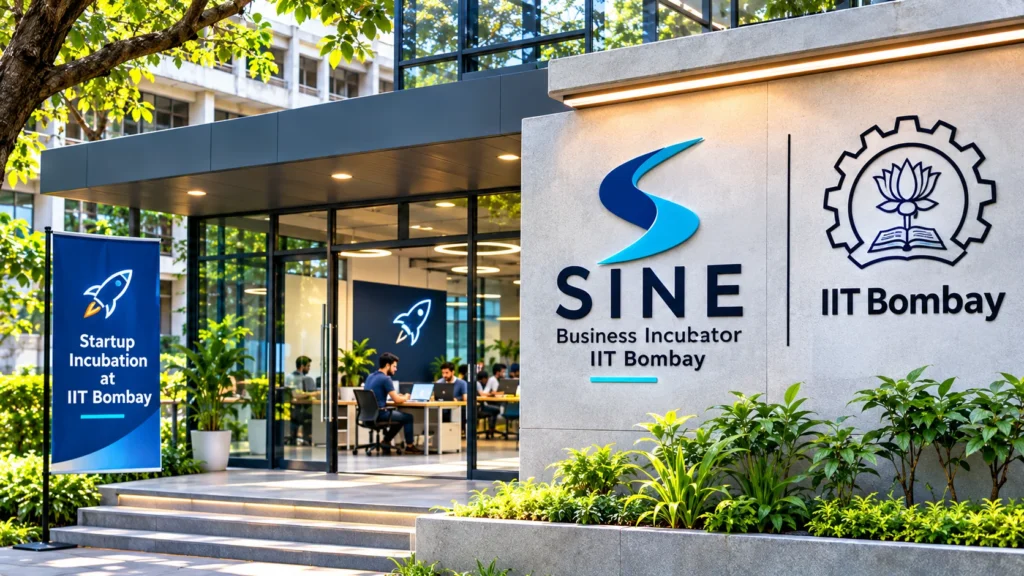
1. SINE – IIT Bombay, India
The Society for Innovation and Entrepreneurship (SINE) at the Indian Institute of Technology Bombay supports technology-based entrepreneurs and innovation-driven startups. Its incubation activities include mentorship, business development guidance, infrastructure, and connections to the entrepreneurial ecosystem. SINE illustrates how a research institution can help transform technological ideas into commercial ventures.
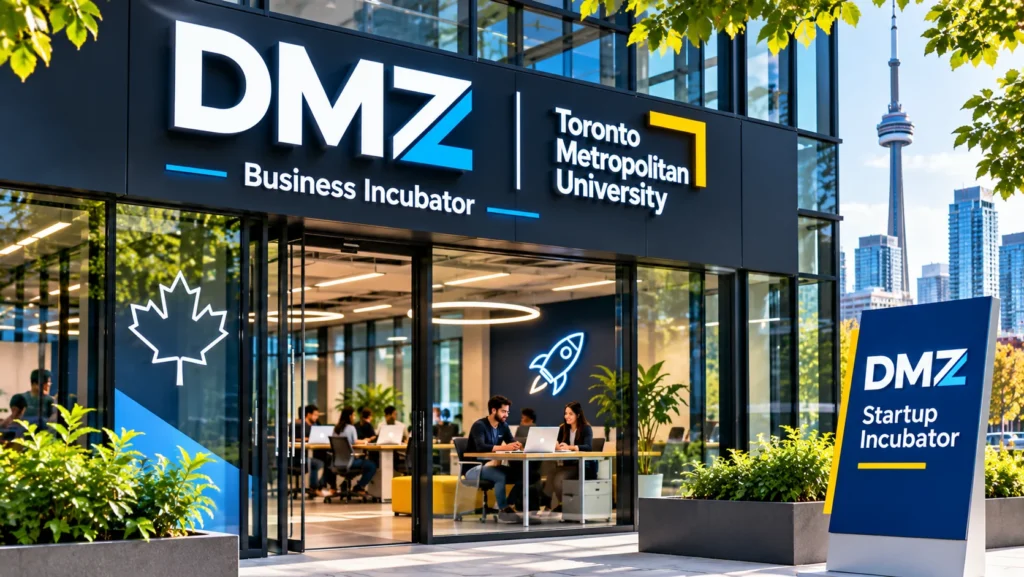
2. DMZ -Toronto Metropolitan University, Canada
DMZ is a technology incubator and startup support organization based in Toronto. Its programs provide mentoring, business development resources, investor connections, and support for technology-driven companies. DMZ also demonstrates that not every incubator targets founders at the idea stage. Its main Incubator program supports startups that already have revenue and are preparing for further growth.
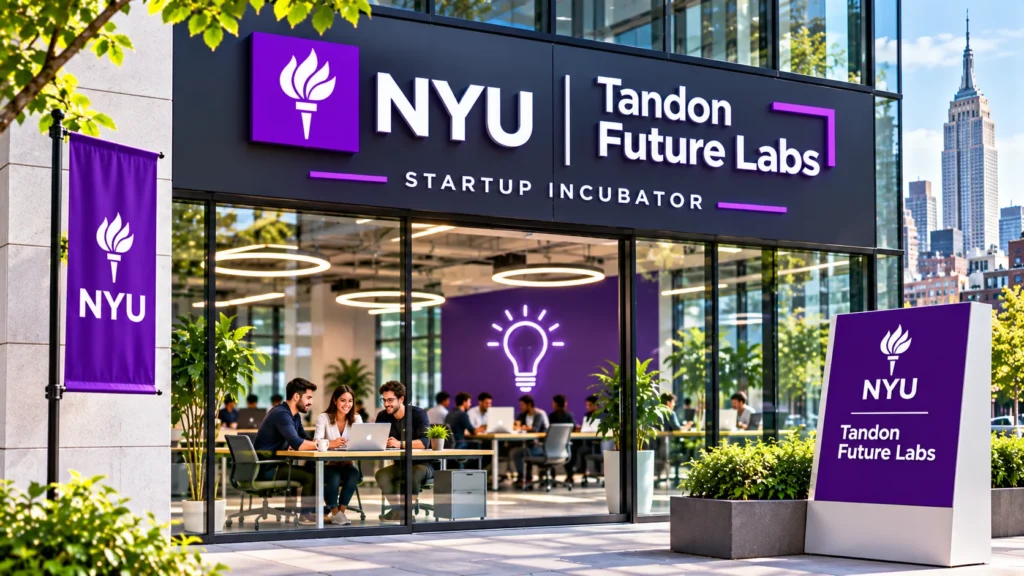
3. NYU Tandon Future Labs – United States
The NYU Tandon School of Engineering operates Future Labs, a group of business incubation initiatives supporting technology and innovation-focused ventures. These include activities focused on areas such as clean energy, urban technology, game development, and entrepreneurship. The model demonstrates how incubators can combine specialized industry resources with academic and public-private collaboration.
Important: Program services, admission criteria, investment terms, and availability can change. Entrepreneurs should review the latest official information before applying.
Do Business Incubators Provide Funding?
Some business incubators provide funding, but financing is not a standard benefit included in every program.
Funding support may take several forms:
- Direct investment: An incubator or associated investor provides capital, potentially in exchange for equity.
- Grants: Eligible startups may receive non-repayable funding through specific programs.
- Investor introductions: Founders gain opportunities to pitch to angel investors or venture capital firms.
- Technical credits or subsidies: Programs may reduce expenses through software credits, discounted services, or access to equipment.
- Financing guidance: Mentors may help founders prepare financial projections or funding applications.
For example, an incubator may provide workspace and mentoring while introducing founders to investors, without investing any money itself. Another program might offer capital but require an equity stake. These arrangements should never be assumed without reviewing the program’s actual terms.
How Much Does a Business Incubator Cost?
There is no universal fee for joining a business incubator. Some programs provide subsidized or free support. Others charge membership fees, rent, program fees, or require founders to give up a portion of their company’s ownership. An equity-based program may appear inexpensive because it does not charge an upfront fee, but the ownership transferred could become valuable if the business grows.
Before joining, founders should clarify:
- Are there application, membership, or participation fees?
- Is office or laboratory space included?
- Does the program take equity or a share of future revenue?
- Are mentoring and professional services included or billed separately?
- What happens if the startup leaves early?
- Who owns the technology and intellectual property developed during the program?
Reviewing these details helps prevent unexpected financial and legal obligations.
How to Choose the Right Business Incubator
The best incubator is not necessarily the most famous. It is the one that offers relevant support at the right stage of your business.
Use the following five-part evaluation framework.
| Evaluation factor | Question to ask |
|---|---|
| Industry fit | Does the program have expertise in my business sector? |
| Startup stage | Does it accept companies at my current development stage? |
| Support quality | Can it provide mentors, facilities, or connections that address my actual needs? |
| Financial terms | Are the fees, equity requirements, and other obligations reasonable? |
| Measurable value | Can the program explain what founders typically achieve and provide relevant alumni references? |
Example: Choosing an Incubator for an AI Startup
Suppose Alex is developing customer support software. Alex is deciding between a general incubator offering discounted office space and a technology program with experienced software founders, product mentors, and customer development support. If Alex already works remotely and does not need an office, the general program’s workspace discount may provide limited value. The technology program may be more useful if its mentors can help Alex validate the product, identify potential customers, and develop a sustainable business model.
The decision should be based on specific business needs, not simply on the number of services advertised.
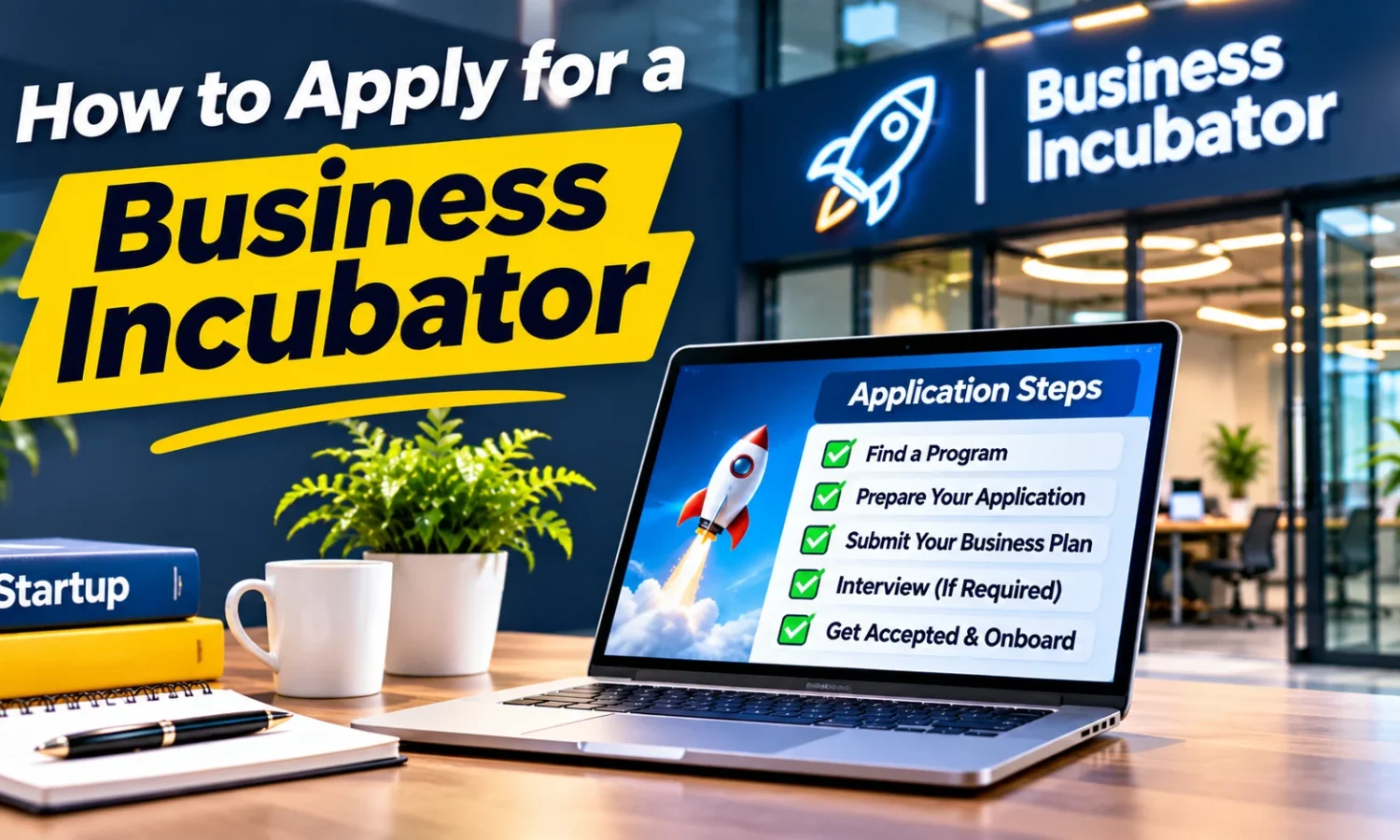
How to Apply for a Business Incubator
Once you identify suitable programs, prepare an application that clearly explains your business opportunity.
Step 1: Identify Relevant Programs
Search for incubators associated with universities, technology organizations, economic development agencies, and entrepreneurial networks.
Review their industry focus, location, eligibility requirements, program stages, and application deadlines.
Step 2: Prepare a Business Summary
Create a concise explanation covering:
- The problem your business solves.
- Your proposed product or service.
- Your ideal customers and target market.
- Existing competitors or alternative solutions.
- Your development progress.
- Your founding team’s relevant skills.
- The support you hope to receive.
Step 3: Gather Supporting Evidence
Where possible, include customer interviews, prototype demonstrations, early sales, pilot results, or other relevant information. You do not necessarily need a completed product, but evidence that you understand the problem can strengthen your application.
Step 4: Complete the Application and Interview
Follow the program’s instructions and submit accurate information. If invited to an interview, be prepared to explain why you selected that particular incubator and how its resources would help your company.
Step 5: Review the Offer Carefully
Before accepting, examine the full agreement, including financial commitments, intellectual property provisions, confidentiality, termination conditions, and founder obligations. Seek appropriate professional advice when the agreement involves significant ownership or legal rights.

Is a Business Incubator Right for You?
An incubation program may be useful if you have a promising idea but lack the experience, professional connections, or technical resources needed to develop it effectively. However, joining a program simply because it is popular may waste time or create unnecessary expenses.
Consider joining an incubator when:
- You need structured help validating your business idea.
- You would benefit from industry-specific mentorship.
- Your product requires technical facilities or specialist resources.
- You want access to a relevant entrepreneurial network.
- The program’s costs and conditions align with your business goals.
If your business is already generating reliable revenue and your main challenge is rapid expansion, a growth-focused accelerator or other specialist advisory service may be more appropriate. If you can obtain the resources you need independently at a lower cost, an incubator may not be necessary.
Frequently Asked Questions
What is the simple incubator meaning in business?
In business, an incubator is an organization or program that supports entrepreneurs and early-stage companies through mentorship, training, resources, and professional connections. Its purpose is to help developing businesses become more capable of operating independently.
What is the main purpose of a technology business incubator?
Its main purpose is to help technology-based startups develop innovations into commercially viable products or services. This may involve technical resources, business guidance, research support, and access to relevant networks.
What are the four common types of business incubators?
Four commonly recognized categories are university-based, corporate, government or nonprofit, and private investor-backed incubators. Programs can also be classified by industry specialization and whether services are delivered in person or virtually.
Can I join a business incubator with only an idea?
Yes, some programs accept idea-stage entrepreneurs. Others require a prototype, established business, or evidence of customer demand. Eligibility depends on the specific incubator.
Are business incubators free?
Some programs provide free or subsidized support, while others charge fees, rent, or require equity. Entrepreneurs should review all costs and contractual terms before applying.
How long does a startup stay in an incubator?
The duration varies. Some programs have a defined completion period, while others provide flexible support over several months or years. The startup’s progress and the incubator’s policies determine the arrangement.
Do business incubators guarantee startup success?
No. Incubators provide support and resources, but they cannot guarantee business survival, profitability, funding, or customer demand. Entrepreneurs remain responsible for developing and managing their companies.
Final Thoughts
Business incubators can provide valuable support for entrepreneurs developing new ideas and early-stage companies. From mentorship and shared facilities to technical expertise and business connections, their services can help founders approach startup challenges more systematically.
Technology-focused incubation programs offer additional value for entrepreneurs working on innovative software, scientific research, engineering solutions, and other technical products.
However, the right choice depends on your business stage, resources, financial situation, and growth objectives.
Before applying, compare several programs, speak with former participants where possible, and examine the benefits alongside the costs and commitments.
The goal is not simply to join an incubator. It is to find the support that helps you build a sustainable business capable of succeeding independently.