Starting your own business can feel intimidating, especially when you have limited savings, little experience, or a full-time job. The good news is that you don’t necessarily need an office, a large team, or expensive equipment to begin. Some of the best small business ideas involve offering a useful service, solving an everyday problem, or turning an existing skill into something customers will pay for. But starting a business is not the same as making it profitable. Even affordable opportunities require planning, customer research, consistent effort, and an understanding of potential risks.
This guide explores 25 realistic business ideas for beginners, including online services, home-based businesses, local services, and creative opportunities. You’ll also learn how to compare startup expenses, choose an idea that fits your circumstances, and test it before making a major financial commitment.
Quick Answer: What Are the Easiest Businesses to Start?
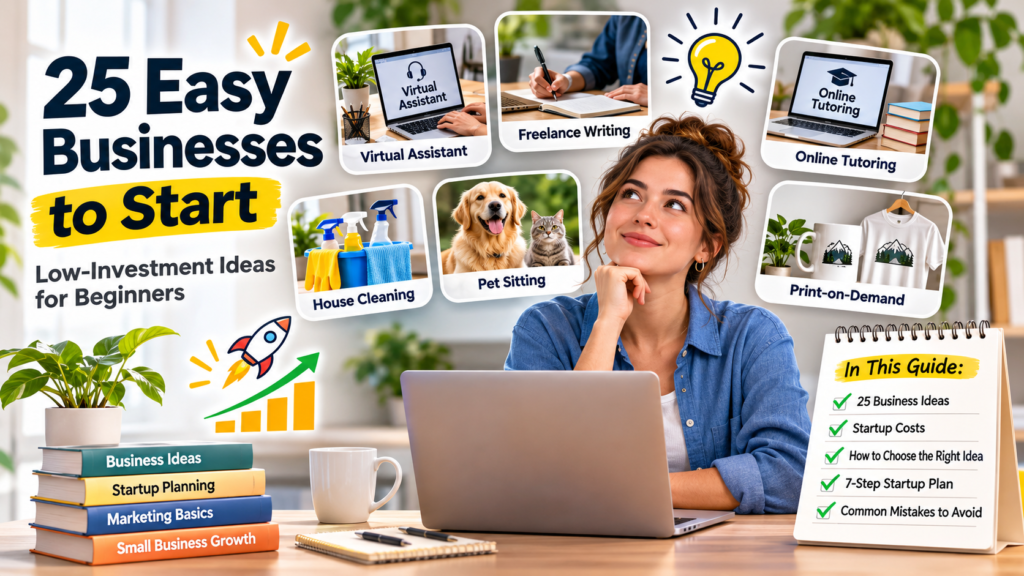
Some of the easiest businesses to start are virtual assistance, freelance writing, online tutoring, house cleaning, pet sitting, social media management, and selling digital products. These businesses can have relatively low barriers to entry because many don’t require a storefront or substantial inventory.
For beginners, a service-based business is often a practical starting point because you can test your offer with a small number of customers before expanding.
Best Small Business Ideas at a Glance
The following comparison highlights several accessible opportunities.
| Business idea | Illustrative starting budget | Best for |
|---|---|---|
| Virtual assistant | $0–$300 | Organized beginners |
| Freelance writing | $0–$200 | Strong writers |
| Social media management | $0–$400 | Creative professionals |
| Online tutoring | $0–$200 | Subject experts |
| House cleaning | $150–$800 | Local service providers |
| Pet sitting | $50–$400 | Animal lovers |
| Lawn care | $300–$2,000+ | Outdoor workers |
| Mobile car detailing | $300–$2,000+ | Automotive enthusiasts |
| Digital templates | $0–$300 | Designers and creators |
| Print-on-demand | $50–$500+ | Ecommerce beginners |
These are illustrative planning ranges, not verified industry averages or guaranteed minimum costs. They assume some existing equipment. Registration, insurance, transportation, marketing, software, and other expenses can increase the total.
8 Easy Online Businesses to Start From Home
Online businesses appeal to people who prefer flexible working hours, remote communication, and limited physical overhead. Many begin with a computer and an internet connection, although finding customers can be competitive.
1. Virtual Assistant Business
Best for: Organized people with strong communication and administrative skills.
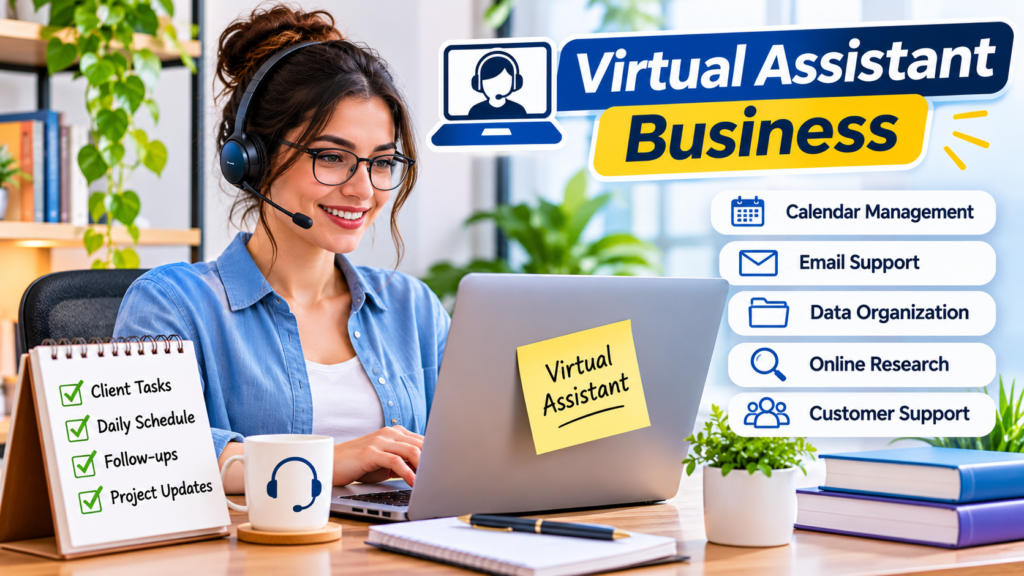
Virtual assistants help business owners manage routine responsibilities such as emails, scheduling, research, customer support, and data organization. You can begin by choosing one service rather than trying to handle every administrative task. For example, an assistant specializing in appointment scheduling for small service businesses can offer a clear, easy-to-understand package.
- Possible starting budget: $0–$300 if you already own a computer.
- How you earn: Hourly fees, project fees, or monthly support packages.
- First step: Create a short service description and contact businesses that may need administrative support.
Main challenge: Building trust and securing consistent clients.
2. Freelance Writing Services
Best for: People who can research topics and communicate clearly.
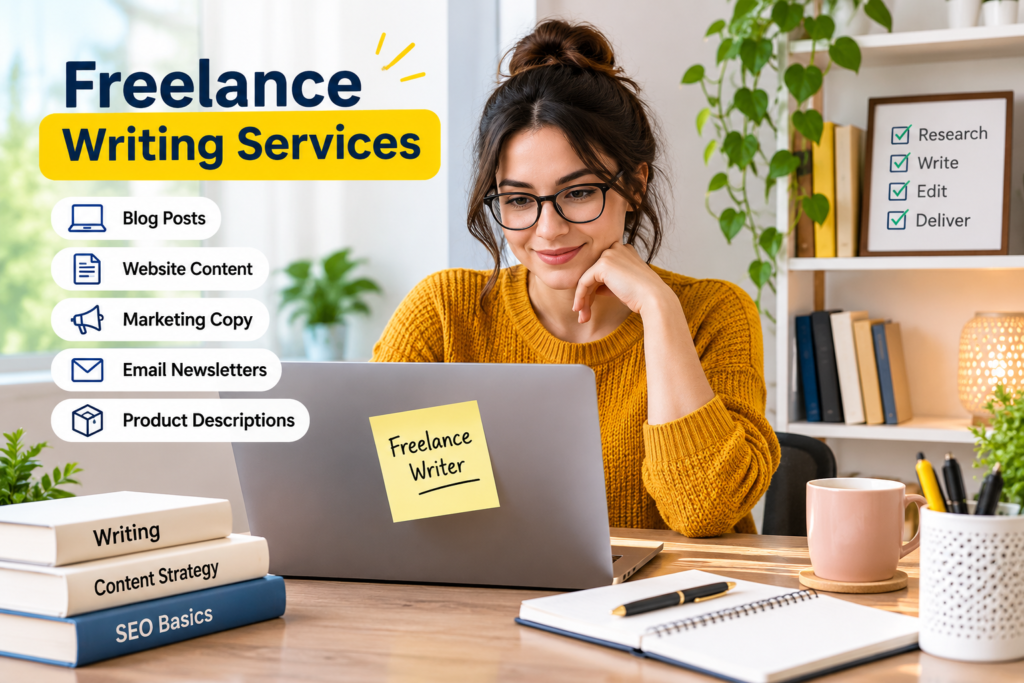
Businesses need website content, emails, product descriptions, newsletters, and other written materials. Instead of advertising yourself as a writer for every industry, specialize in an area you understand. A writer familiar with home improvement, for example, could offer product descriptions and educational content to related businesses.
Getting started: Prepare three original writing samples, define a service package, and approach potential clients with a relevant example.
Main challenge: Competition, changing client demand, and maintaining quality.
3. Proofreading and Content Editing
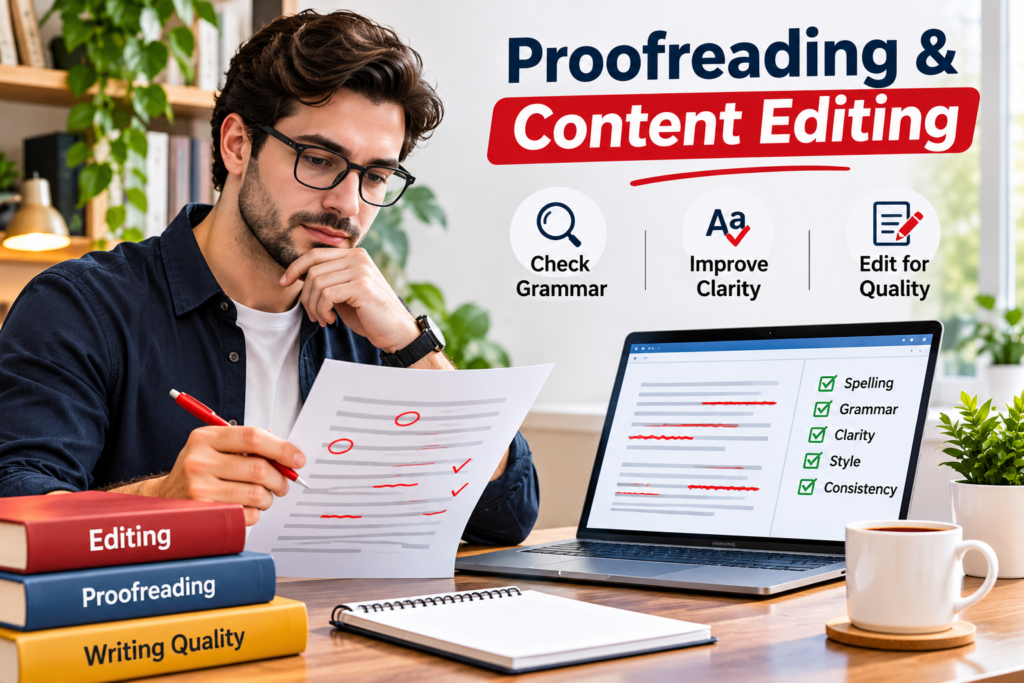
Proofreaders correct spelling, punctuation, and grammatical mistakes. Editors may also improve clarity, structure, consistency, and factual accuracy. This can be a manageable small business for someone with strong language skills and attention to detail.
How to start: Create before-and-after editing samples using your own material. Offer a clearly defined service, such as proofreading a certain number of words or editing a business newsletter.
Main challenge: Managing deadlines, revisions, and varying document quality.
4. Social Media Management
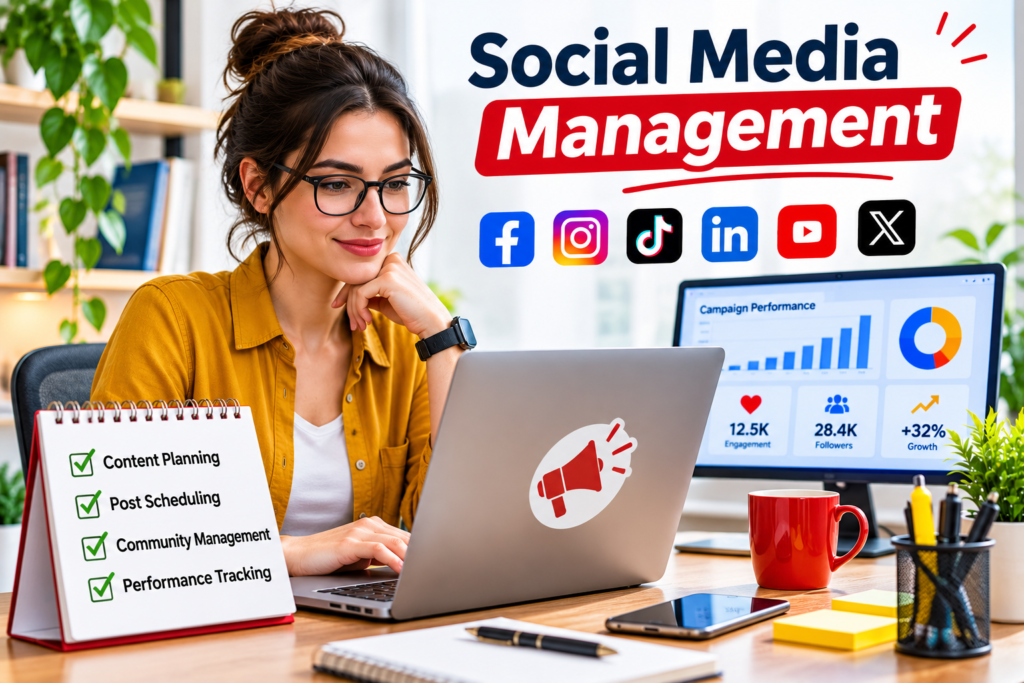
Many local businesses want an active online presence but struggle to publish consistently. A social media manager may help plan content, prepare graphics, schedule posts, reply to messages, and review basic performance. You could specialize in one type of customer, such as independent restaurants, home-service companies, or small retailers.
First step: Develop a sample monthly content calendar and approach a suitable local business with a simple proposal.
Main challenge: Demonstrating value without promising specific sales or follower growth.
5. Freelance Graphic Design
Graphic designers create social media graphics, presentation layouts, marketing materials, advertisements, and brand assets. Beginners can focus on straightforward design services before attempting complex branding projects.
How to start: Build a small portfolio with sample posters, social graphics, or business presentations. Clearly state what clients receive, how many revisions are included, and when work will be delivered.

Main challenge: Standing out from inexpensive templates and automated design tools.
6. Online Tutoring
If you understand a subject well and can explain it clearly, online tutoring may be worth exploring. Common subjects include mathematics, English, science, language learning, and exam preparation. Tutors can offer individual sessions or small group lessons. However, qualifications, background checks, and other requirements may depend on the subject, students’ ages, and location.
First step: Choose one subject and student level, create a sample lesson, and determine an appropriate introductory rate.

Main challenge: Establishing credibility and securing regular students.
7. Bookkeeping Services
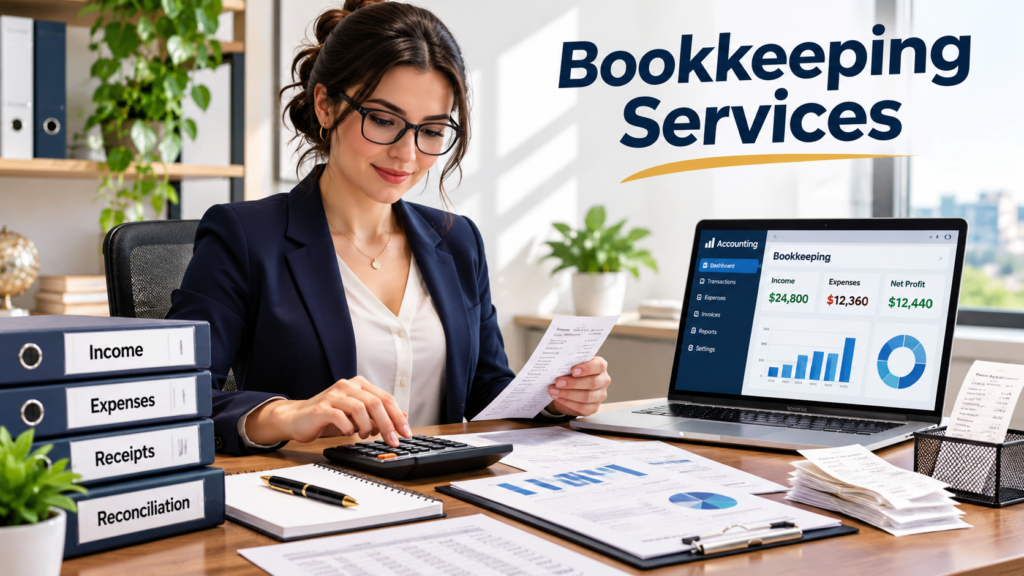
Small businesses often need help organizing transactions, reconciling accounts, and maintaining financial records. Bookkeeping can become a recurring service, but it requires accuracy, confidentiality, and relevant training. Someone new to the field should develop proper bookkeeping skills before accepting client work. Tax preparation, auditing, and regulated accounting services may involve additional qualifications or legal requirements.
First step: Learn commonly used accounting software and practice maintaining records with fictional business transactions.
Main challenge: Financial errors and handling sensitive client information.
8. Website Maintenance Services
Small organizations may need help updating content, checking links, managing software updates, improving accessibility, and coordinating backups. If you’re familiar with website platforms, this can be a useful service business without requiring you to build entire websites from scratch.
First step: Define a limited monthly maintenance package and document exactly which tasks it covers.
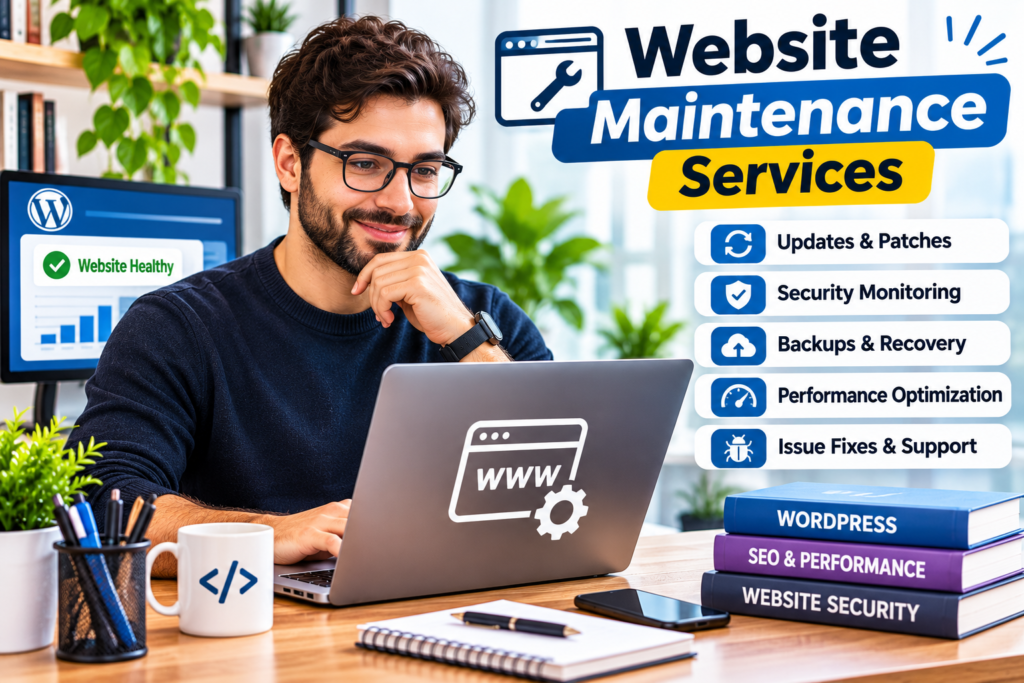
Main challenge: Security, technical responsibility, and managing unexpected problems.
7 Best Local Service Business Ideas
Local businesses can appeal to entrepreneurs who enjoy practical work and direct customer interaction. They may also provide opportunities for repeat appointments. Unlike purely digital services, these businesses often involve travel, physical equipment, insurance, and local operating requirements.
9. House Cleaning Business
House cleaning is a straightforward service to explain and market because customers understand the problem it solves. You could offer recurring residential cleaning, apartment turnover cleaning, or specific tasks such as kitchen and bathroom cleaning.
How to start: Develop a cleaning checklist, estimate supply and travel costs, and offer an introductory service within a manageable area.
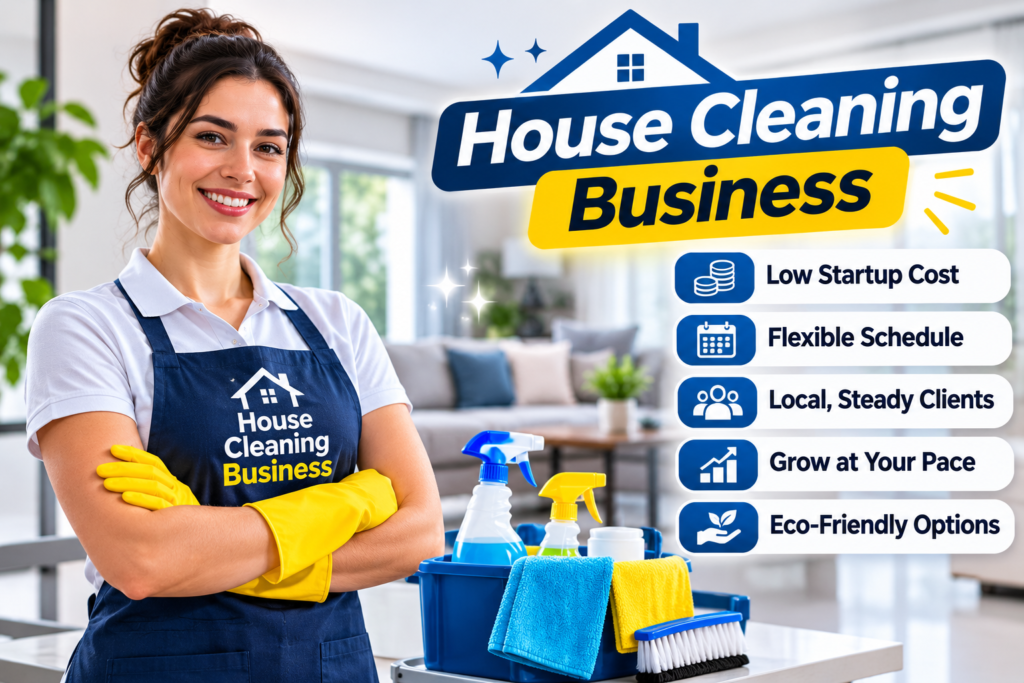
Main challenge: Physically demanding work, scheduling, property access, and liability.
10. Pet Sitting
Pet sitters care for animals while their owners are away or unavailable. Responsibilities may include feeding, supervised visits, exercise, and following the owner’s instructions. This business can suit someone who already has animal care experience.
First step: Define which pets you can safely care for, prepare an emergency contact procedure, and investigate insurance and local requirements.
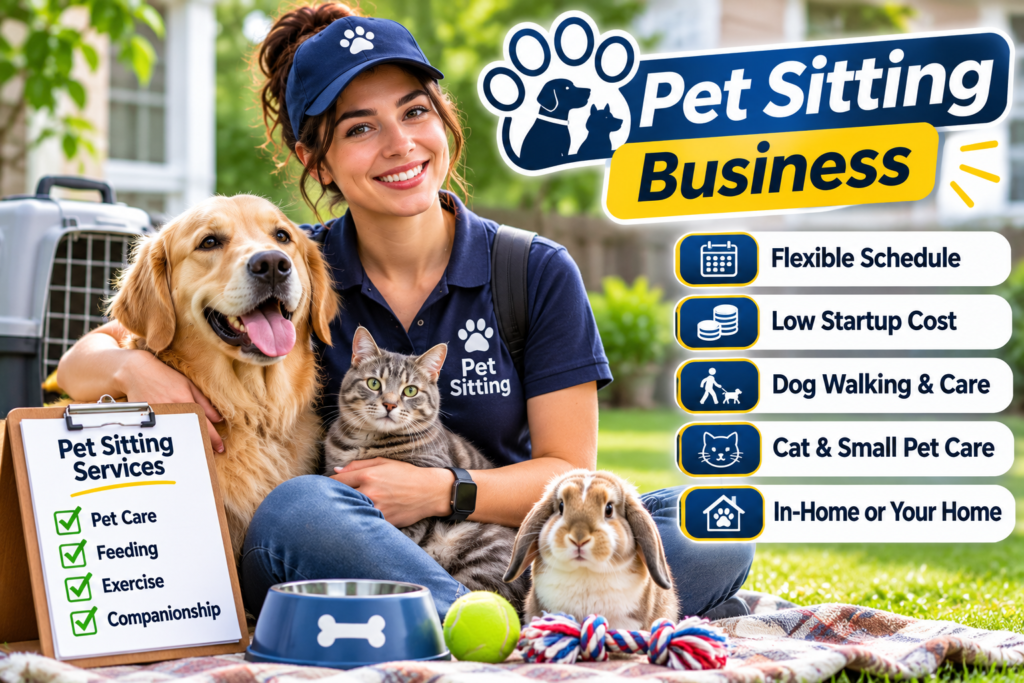
Main challenge: Animal safety, unexpected emergencies, and owner trust.
11. Dog Walking
Dog walking can be started on a small scale in neighborhoods with suitable demand. You might offer individual walks, scheduled weekly walks, or services tailored to specific dog sizes and temperaments.
First step: Research nearby customers, establish safe walking practices, and determine whether permits or commercial insurance are needed.
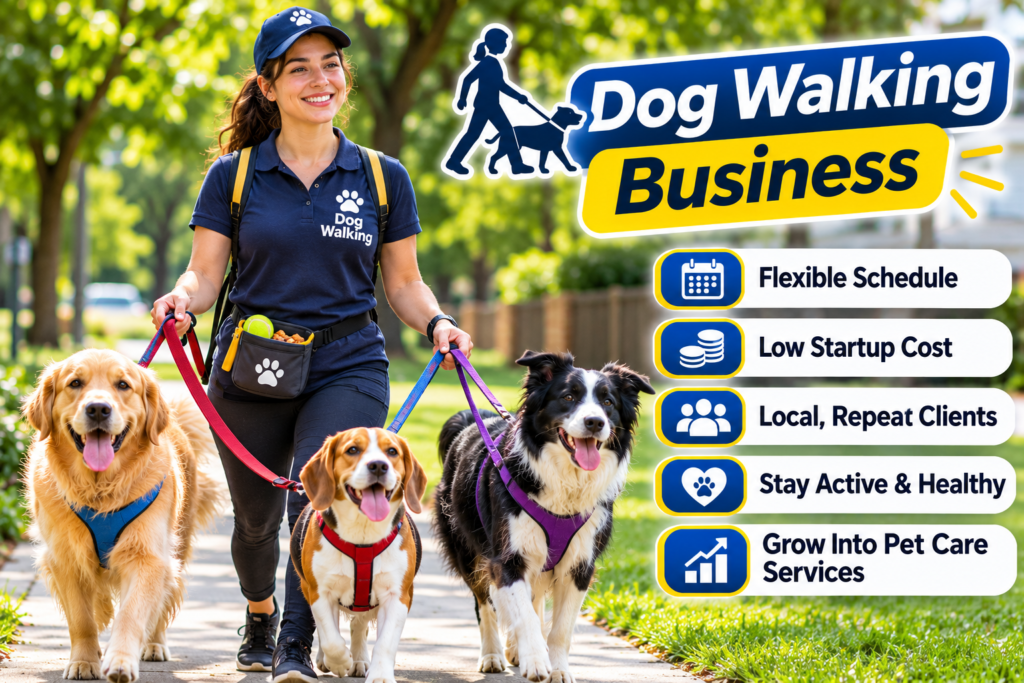
Main challenge: Weather, animal behavior, scheduling, and physical safety.
12. Lawn Care Services
A lawn care business may provide mowing, edging, leaf collection, and basic yard cleanup. Starting with simple maintenance tasks can make operations more manageable than offering a full landscaping service.
First step: Estimate equipment, transportation, fuel, maintenance, and insurance expenses. Identify neighborhoods where recurring yard care may be needed.
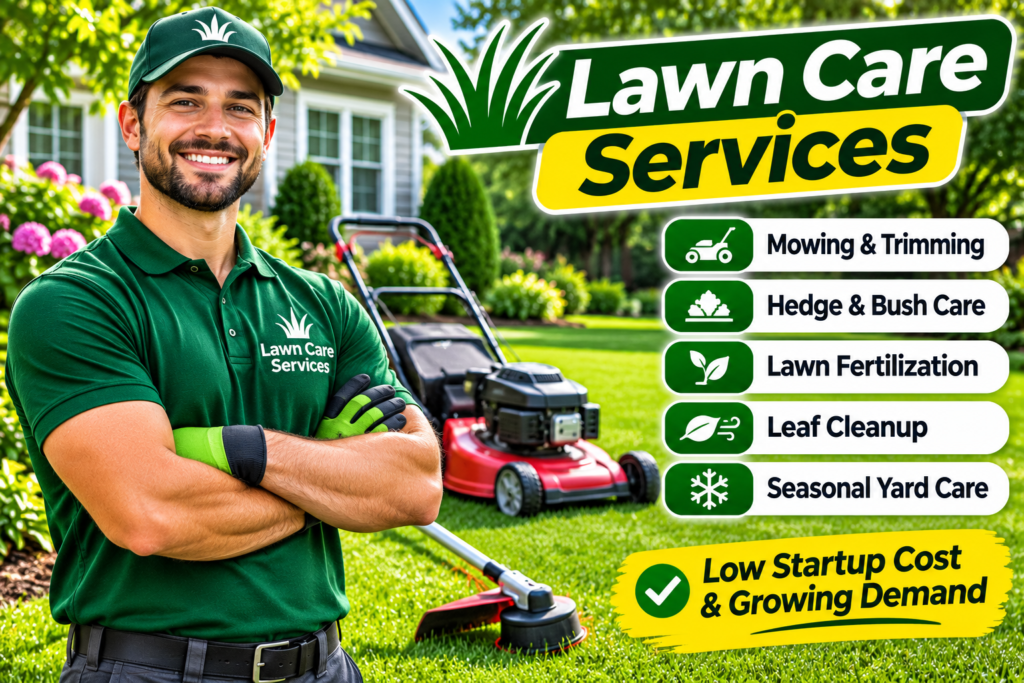
Main challenge: Seasonal demand, equipment costs, and physical labor.
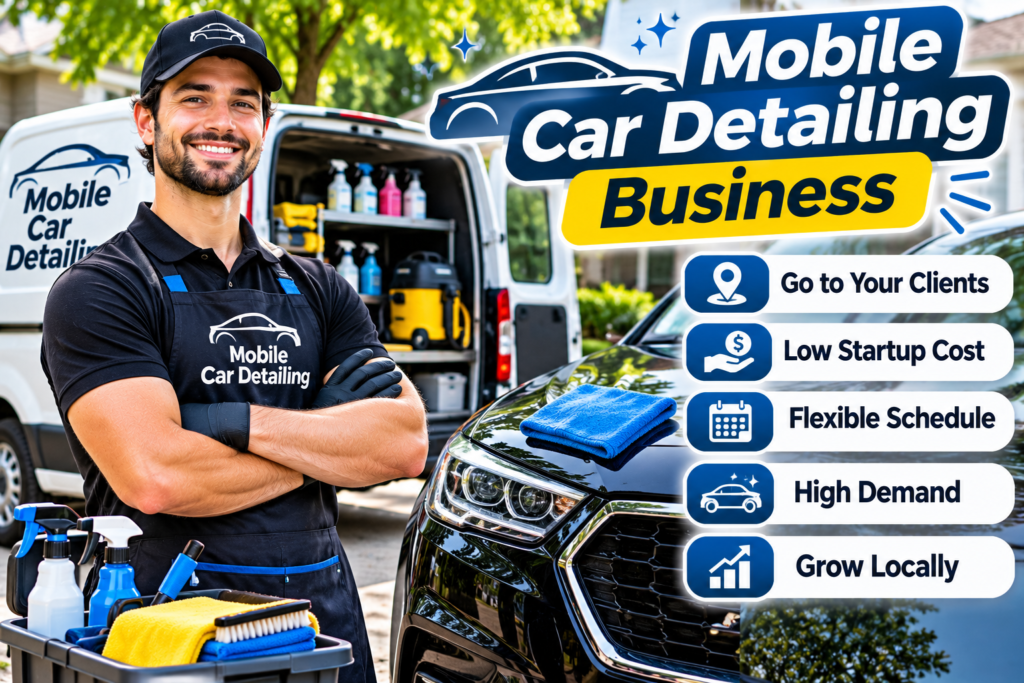
13. Mobile Car Detailing
Mobile car detailing involves cleaning and caring for vehicles at a customer’s location. Services may include interior vacuuming, surface cleaning, exterior washing, and approved detailing treatments. Beginners should avoid advanced paint correction or chemical treatments without suitable training.
First step: Practice a clearly defined basic detailing package, calculate time and material costs, and check local water-use and wastewater rules.
Main challenge: Equipment, weather, vehicle damage liability, and customer expectations.
14. Home Organizing
Home organizers help people arrange closets, kitchens, storage areas, and other household spaces. This business may suit detail-oriented individuals who enjoy planning functional environments.
First step: Create an example organizing plan using your own space and document your process with photographs.
Main challenge: Setting project boundaries, estimating labor, and respecting customer privacy.
15. Local Errand Services
Errand services help people manage everyday tasks such as collecting approved purchases, dropping off packages, or handling simple scheduled deliveries. A clearly defined service area and transparent fees can help control expenses.
First step: Choose the errands you can safely and legally perform, calculate travel costs, and investigate appropriate commercial vehicle coverage.
Main challenge: Transportation expenses, scheduling, and restrictions involving certain goods.
6 Home-Based and Product Business Ideas
Selling products can be rewarding, but product businesses often involve materials, shipping, inventory, customer returns, and marketplace fees. A small initial product range is generally easier to test than launching a large catalog.
16. Reselling Products Online
Reselling involves finding products that buyers want and offering them through online marketplaces or other channels. Examples include used books, vintage clothing, collectible items, and selected household goods. You can begin by researching the resale value of items you already own and are legally entitled to sell.
First step: Compare actual completed sales for similar products, then account for shipping, fees, packaging, and returns.
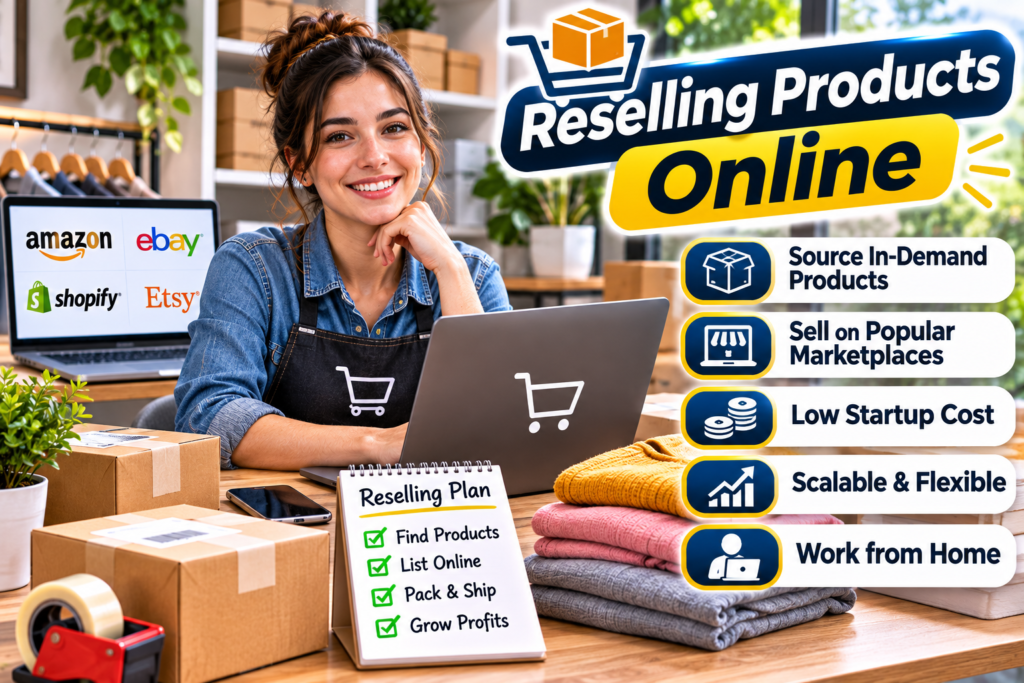
Main challenge: Inventory quality, variable demand, and narrow profit margins.
17. Print-on-Demand Products
Print-on-demand businesses offer designs on products such as shirts, mugs, and tote bags. A fulfillment provider typically produces items after orders are placed. This model reduces the need to hold inventory, but it does not eliminate expenses.
First step: Research a specific audience, create original designs, order product samples, and check production and delivery quality.
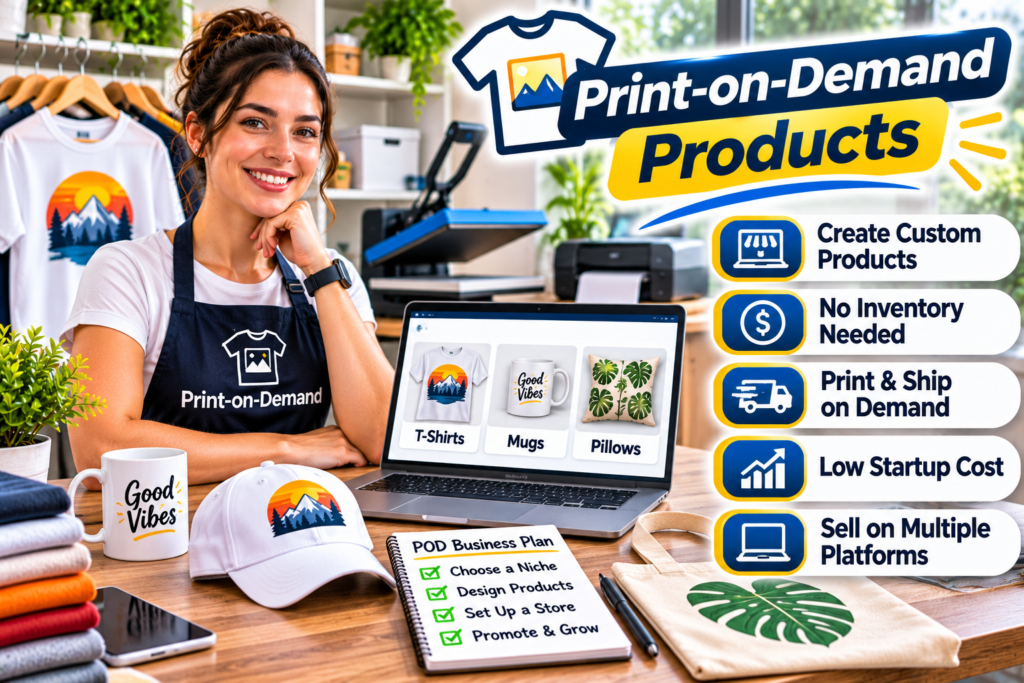
Main challenge: Product margins, marketing costs, and intellectual property rights.
18. Handmade Crafts
If you enjoy making physical products, consider selling handmade candles, decorations, knitted accessories, or other crafts appropriate to your skills. The strongest starting point is usually a small range of consistent products rather than an extensive catalog.
First step: Produce a few samples and calculate the complete cost of materials, packaging, labor, and selling fees.
Main challenge: Producing products consistently while earning enough to cover your time.
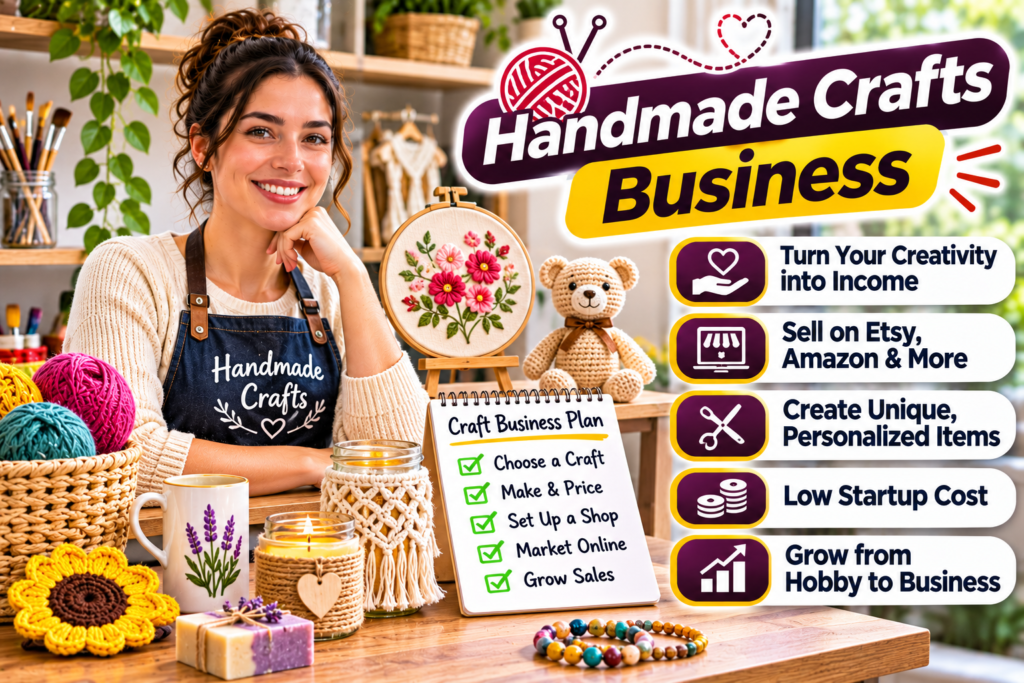
Certain products, including candles, cosmetics, toys, and food-contact items, may have additional safety or labeling requirements.
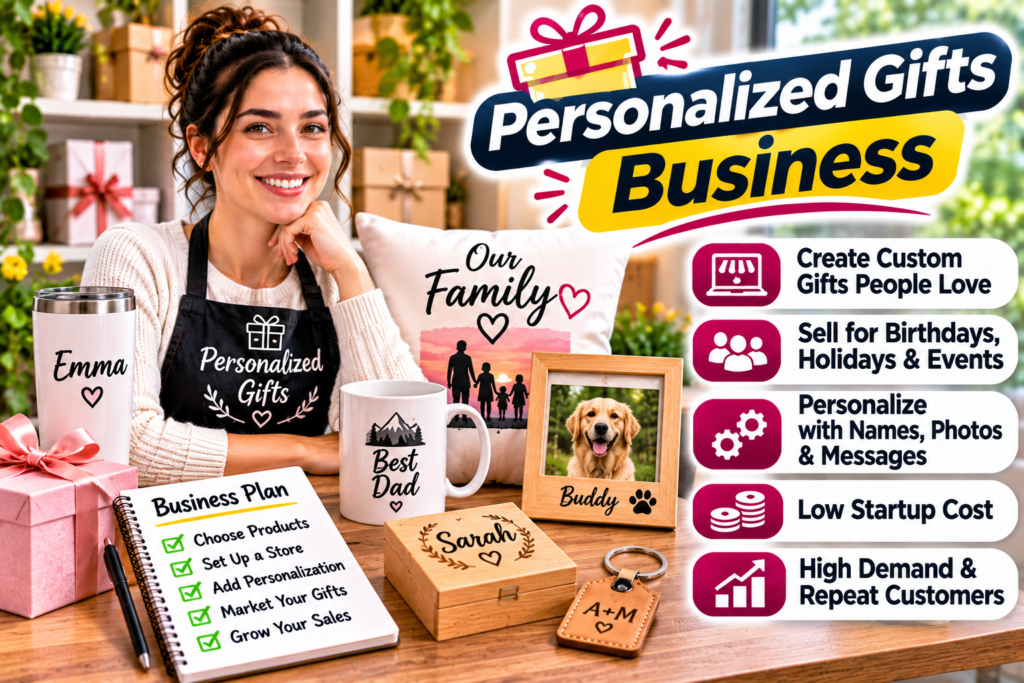
19. Personalized Gifts
Customized gifts can include printed stationery, engraved accessories, decorated keepsakes, and personalized artwork. A focused offering for a specific occasion can be simpler to manage than creating every type of gift.
First step: Choose one customization method, test supplier quality, and establish clear approval and delivery procedures.
Main challenge: Individual order requirements, production mistakes, and seasonal demand.
20. Digital Templates and Printables
Digital templates are among the good business ideas worth considering if you can create genuinely useful resources. Possible products include planners, worksheets, budgeting templates, business checklists, and editable presentation layouts. Unlike physical products, digital downloads usually require no shipping or physical inventory. However, design time, platform fees, marketing, and customer support remain important.
First step: Identify a specific recurring problem and create one template that solves it clearly.
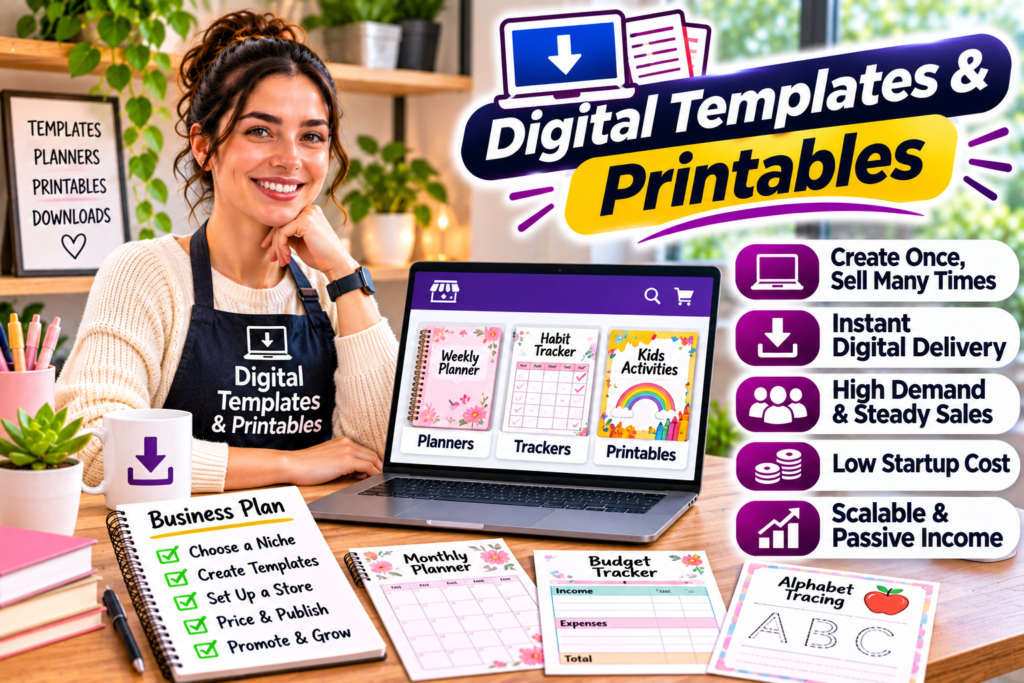
Main challenge: Discoverability, competition, and ensuring customers understand how to use the product.
21. Home-Based Baking
People with baking experience may consider selling permitted baked goods for occasions, local events, or preorders. However, food production is not automatically a simple home business. Cottage food laws, sanitation rules, labeling requirements, and permitted product categories differ by jurisdiction.
First step: Check local food-business rules before accepting orders or investing in ingredients and packaging.

Main challenge: Food safety, perishability, compliance, and consistent production.
4 Skill-Based Startup Ideas With Growth Potential
Some startup ideas require more learning but may eventually support specialized services, recurring contracts, or digital products.
22. Video Editing Services
Businesses, educators, and creators may hire editors to turn existing footage into useful videos. Services might include trimming footage, adding captions, improving pacing, and preparing videos in different formats.
First step: Develop several editing samples from footage you own or are authorized to use.
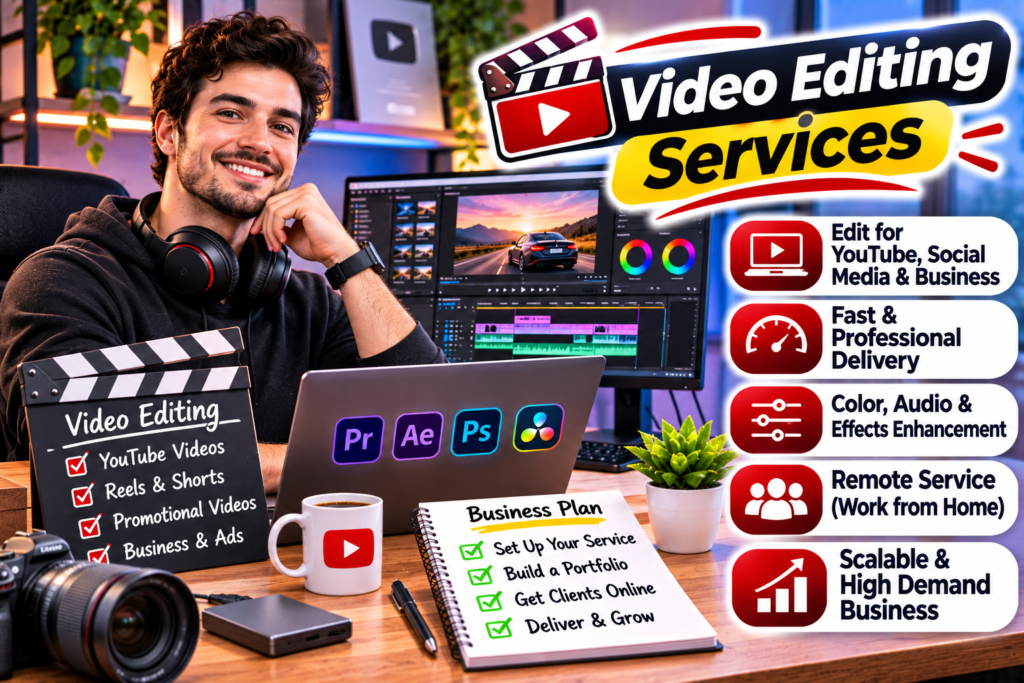
Main challenge: Processing time, revision requests, and technical quality.
23. Niche Newsletter Business
A newsletter can serve a clearly defined audience interested in industry updates, local events, professional opportunities, or useful recommendations. Revenue may eventually come from sponsorships, paid subscriptions, or related products. However, building an audience takes time, and a newsletter should not be treated as guaranteed passive income.
First step: Choose a narrow topic, publish several high-quality sample issues, and develop a permission-based subscriber strategy.

Main challenge: Audience growth, retention, and developing a reliable revenue model.
24. Local SEO Services
Local search engine optimization involves helping businesses improve the accuracy, usefulness, and visibility of their online information. Potential tasks include website audits, improving local landing pages, organizing business information, and reviewing search performance.
First step: Learn fundamental SEO principles, prepare a sample audit, and offer a specific service with measurable deliverables.
Main challenge: Search results are influenced by many factors, so no responsible provider can guarantee first-place rankings.
25. Small Business Automation Setup
Small businesses may benefit from automating repetitive administrative tasks such as appointment reminders, inquiry routing, and routine record updates. Someone who understands workflow tools could develop a service focused on one business process.
First step: Build a demonstration workflow using non-sensitive sample information and document the time and steps it is intended to save.
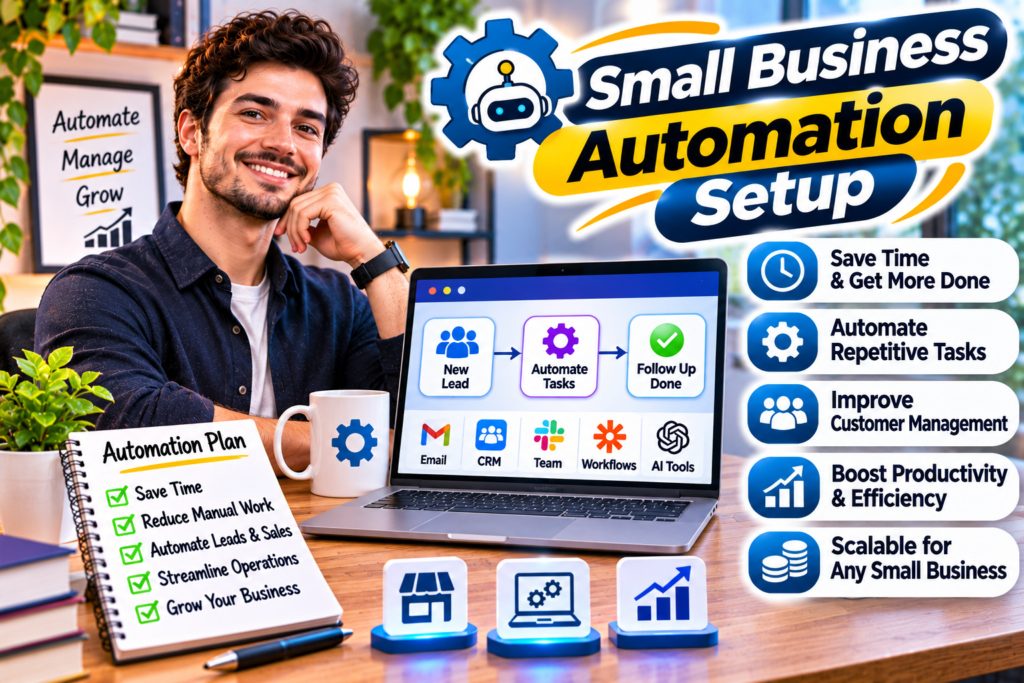
Main challenge: Reliability, customer data protection, software expenses, and ongoing maintenance.
This is better suited to beginners who are comfortable learning technical systems than to people seeking an immediately simple business.
Which Small Business Should You Start Based on Your Budget?
Your budget should guide the type of business you investigate, but it should not be the only deciding factor.
| Available budget | Ideas to investigate | Important consideration |
|---|---|---|
| $0–$100 | Writing, editing, virtual assistance, tutoring | Assumes existing equipment and potentially minimal setup requirements |
| $100–$500 | Social media services, pet sitting, digital products, basic cleaning | Check software, materials, insurance, and registration |
| $500–$1,000 | Expanded cleaning services, reselling, selected craft businesses | Avoid purchasing inventory before confirming demand |
| $1,000–$5,000 | More equipped lawn care or detailing services | Equipment, transportation, and operating costs can be substantial |
These categories are planning examples, not promises that a business can always be legally established within the listed budget.
Can You Really Start a Business With No Money?
Some service businesses can be tested with almost no additional equipment spending, especially when you already own a computer, phone, or relevant tools.
But “no money” doesn’t necessarily mean zero cost.
You may still need to account for:
- Business registration or licensing
- Professional or general liability insurance
- Internet and software subscriptions
- Transaction and marketplace fees
- Transportation
- Marketing
- Taxes
- Your own unpaid time
Before launching, prepare a simple startup budget so you understand both initial and recurring costs.
How to Choose the Best Small Business to Start
The best small business to start is one that fits your circumstances while addressing a problem customers are willing to pay to solve. Instead of following popularity alone, evaluate each idea against five questions.
1. What Skills Do You Already Have?
Existing skills can help reduce preparation time and training expenses. Someone comfortable with writing might consider content editing, while a person experienced with animal care might investigate pet sitting. Be realistic about services that require professional qualifications or specialized training.
2. What Can You Afford to Risk?
Separate essential household savings from money you can reasonably dedicate to testing a business. Calculate startup expenses, recurring bills, and the amount you would lose if the idea did not work.
3. How Much Time Can You Commit?
A business requiring daytime customer appointments may not fit someone working a standard office schedule. Likewise, a business that requires responding to customers immediately may be difficult to operate with limited availability.
4. Is There Evidence of Customer Demand?
Search for similar businesses, examine customer feedback, and speak with potential buyers. Competition can indicate that people already pay for a service, but it also means you need a clear reason for customers to choose you.
5. Can You Reach Customers Affordably?
An attractive business idea is much less useful if you have no practical way to reach buyers. Consider local referrals, professional networking, direct outreach, relevant marketplaces, and organic online visibility.
A Simple Business Idea Scorecard
Rate each potential idea from 1 to 5, where 5 is most favorable.
| Decision factor | Idea A | Idea B | Idea C |
|---|---|---|---|
| Existing skills match | /5 | /5 | /5 |
| Startup affordability | /5 | /5 | /5 |
| Available time match | /5 | /5 | /5 |
| Evidence of customer demand | /5 | /5 | /5 |
| Ability to reach customers | /5 | /5 | /5 |
| Total | /25 | /25 | /25 |
This is a decision aid, not a validated profitability prediction. Legal requirements, safety, and financial risks must also be reviewed independently.
How to Test a Business Idea Before Spending Too Much
One of the most useful lessons for new entrepreneurs is that a promising idea and a proven market are not the same thing.
Consider a simple example.
Illustrative scenario: A beginner wants to start a home organizing business.
Instead of immediately buying equipment and advertising services across an entire city, they could:
- Identify one target customer group, such as busy households in a particular neighborhood.
- Research competing services and their publicly advertised offers.
- Speak with potential customers about their organizing problems.
- Prepare a limited service package with clear scope and pricing.
- Test the offer with a small number of customers while meeting any legal and insurance requirements.
- Track the time, travel, supplies, and total expenses involved.
- Improve pricing and service delivery based on actual results.
The goal is to learn whether customers are willing to pay before committing to larger expenses.
How to Start a Small Business in 7 Practical Steps
After selecting an idea, turn it into a basic operating plan.
Step 1: Research the Market
Identify your target customers, their main needs, existing alternatives, and typical purchasing process. Avoid relying only on enthusiasm or social media trends.
Step 2: Write a Simple Business Plan
Document what you will sell, who will buy it, how you will reach customers, and what expenses you expect. A beginner may start with a concise one-page plan, then expand it as the business grows.
Step 3: Calculate Startup and Ongoing Costs
Include equipment, fees, insurance, marketing, software, supplies, transportation, and other relevant expenses. The U.S. Small Business Administration recommends calculating costs in advance to help estimate funding needs and evaluate the business’s financial viability.
Step 4: Check Legal and Tax Requirements
Determine whether you need to register a business, obtain permits, apply for tax identification numbers, or meet industry-specific requirements. These obligations vary by location, business structure, and activities.
Step 5: Create a Minimum Viable Offer
Start with one clearly defined product or service. For example, rather than offering every possible digital marketing service, you might begin with a fixed monthly social media content package. A specific offer is easier to price, explain, and deliver.
Step 6: Find Your First Customers
Choose outreach channels that match your audience. A local home service might benefit from neighborhood referrals and partnerships. A professional online service might use a portfolio, networking, and personalized outreach. Focus on qualified prospects rather than collecting large numbers of irrelevant followers.
Step 7: Measure Results and Improve
Track revenue, direct expenses, time spent, customer feedback, and repeat purchases. Revenue alone does not tell you whether the business is making money. For example, a business earning $1,000 in sales but spending $700 on business expenses has $300 remaining before considering applicable taxes and any additional costs.
A Simple 30-Day Small Business Action Plan
| Period | Main objective | Suggested actions |
|---|---|---|
| Days 1–7 | Select an opportunity | Assess skills, research competition, interview potential customers |
| Days 8–14 | Prepare the business | Calculate costs, check requirements, define your offer |
| Days 15–21 | Test demand | Contact prospective customers, gather feedback, refine pricing |
| Days 22–30 | Begin operating | Launch if ready, seek first sales, track results, improve the process |
Some businesses will require more than 30 days because of training, licensing, equipment, financing, or other obligations.
The roadmap is a practical sequence, not a guaranteed launch schedule.
Common Mistakes First-Time Business Owners Should Avoid
Choosing a Business Only Because It Is Popular
A trending idea may not fit your skills, location, or customer base. Evaluate actual demand rather than copying what is popular online.
Spending Before Testing Demand
Avoid buying unnecessary tools, inventory, or expensive subscriptions before confirming that potential customers have a reason to purchase.
Underpricing Your Services
A low price may attract attention but can become unsustainable if it doesn’t cover labor, supplies, transportation, overhead, and taxes.
Ignoring Legal Requirements
Even small home-based businesses may need registration, licensing, insurance, or compliance with zoning and consumer protection rules.
Expecting Immediate Profit
Some businesses take considerable time to secure customers and cover startup costs. Prepare for inconsistent revenue, especially during the early stages.
Trying Too Many Ideas at Once
Beginners often benefit from focusing on one service, one customer group, and one reliable way to acquire clients before expanding.
Frequently Asked Questions
What is the easiest business to start with no experience?
Virtual assistance, basic administrative support, and certain local services may be accessible starting points. However, every business requires relevant skills, reliability, and an understanding of customer expectations.
What business can I start with $100?
Depending on equipment you already own and local requirements, you might investigate freelance writing, editing, online tutoring, or basic virtual assistant services. A $100 budget will not cover every business’s legal and operating costs.
What are the best small business ideas for students?
Online tutoring, writing, digital design, and selected freelance services can offer scheduling flexibility. Students should choose work that fits their education, skills, and available hours.
Which business is best for beginners working full-time?
Project-based services such as editing, design, and some digital product businesses may be easier to schedule around an existing job. Check your employment agreement for any restrictions or conflicts of interest.
Are online businesses easier to start than physical businesses?
Online businesses may require less physical equipment, but that does not make them easier to market or operate. Competition, technical skills, customer acquisition, and platform dependence can create substantial challenges.
Can a small business become a full-time source of income?
It can, but outcomes vary widely. Before relying on business income, evaluate recurring demand, sustainable profitability, taxes, cash reserves, and the consistency of customer payments.
Do I need an LLC to start a small business?
Not every U.S. business must operate as an LLC. The appropriate structure depends on liability, taxation, ownership, and applicable law. Seek qualified professional guidance when choosing a structure.
How do I find customers for a new business?
Start by clearly defining who benefits from your offer. Then test relevant channels such as referrals, professional networking, local outreach, community partnerships, or online marketplaces. Track which activities lead to genuine inquiries and purchases.
Final Thoughts: Start Small, Solve a Real Problem, and Grow Carefully
Exploring new business opportunities can be exciting, but the best choice is not always the most fashionable or the one with the biggest advertised earnings.
For first-time entrepreneurs, easy businesses to start are usually those that make good use of existing skills, keep initial commitments manageable, and address a problem people are already willing to pay to solve.
Whether you choose virtual assistance, house cleaning, tutoring, digital products, or another small business, begin with a clear offer and realistic expectations.
Choose two or three opportunities from this guide, estimate their actual costs, and investigate customer demand.
Your first objective doesn’t have to be building a large company. It can simply be discovering whether you can deliver something valuable to your first paying customer.